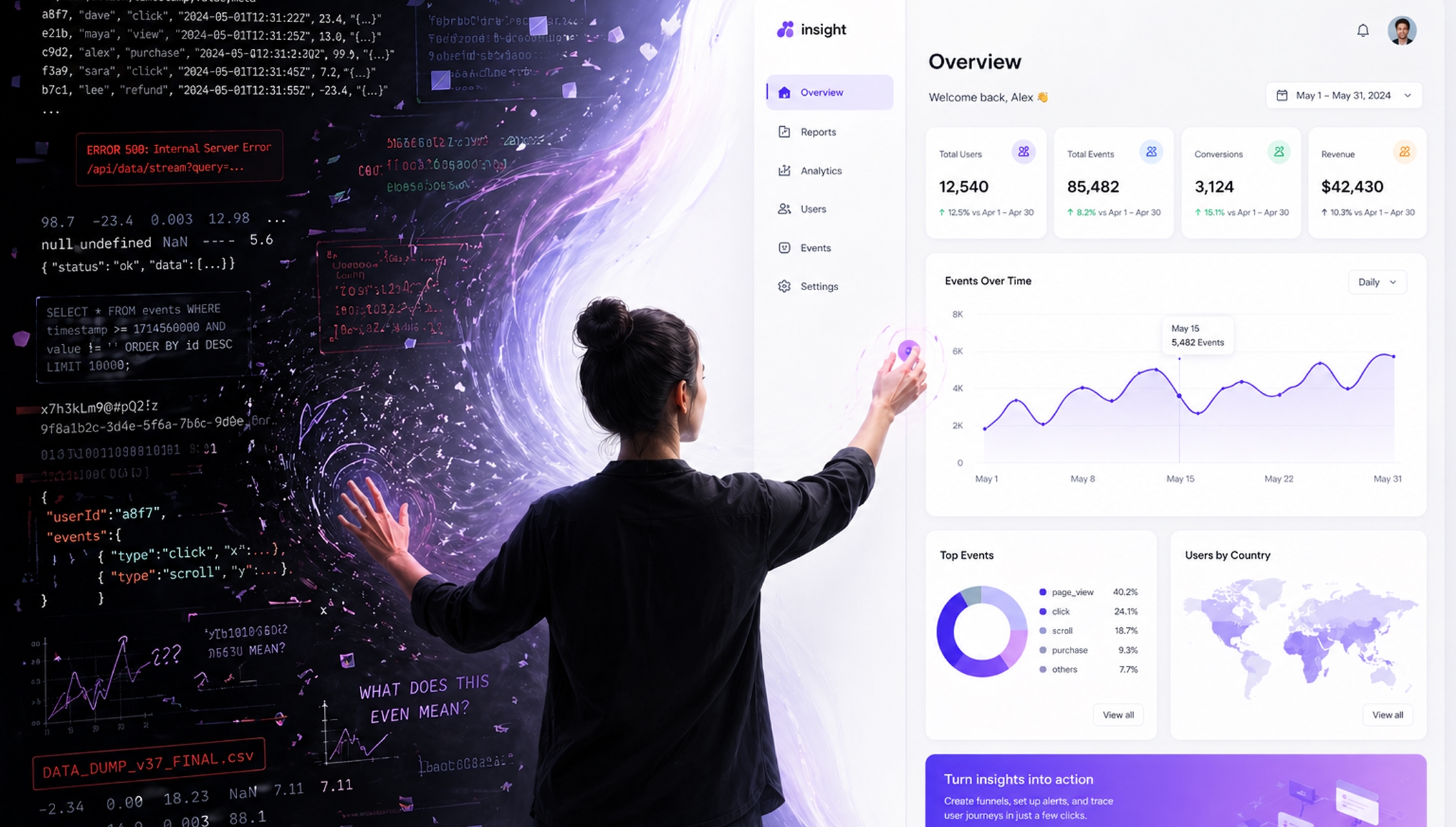
Launching software is an important milestone, but it is not the end of development. Once a product reaches real users, a new stage begins. The system starts operating under real workloads, interacting with real data, external services, devices, networks, and user behavior that cannot always be fully reproduced during development and testing.
One of the first priorities after release is monitoring. Teams need visibility into application availability, performance, errors, infrastructure health, and other operational signals. Logs, metrics, alerts, and monitoring tools help identify problems before they affect a large number of users. They also provide information that is difficult to obtain in a test environment, such as how the application performs during traffic peaks or how external integrations behave over time.
Support and incident handling also become part of the product lifecycle. Users may report bugs, unexpected behavior, usability issues, or problems related to specific environments. Some issues can be fixed quickly, while others require investigation across the application, infrastructure, database, or third-party services.
Software also needs regular maintenance. Operating systems, frameworks, libraries, browsers, APIs, and cloud services continue to change. Dependencies may receive security updates, external providers may modify their APIs, and older technologies may eventually lose support. Keeping software unchanged for years can therefore create security, compatibility, and maintenance risks even if the original application continues to work.
Security remains an ongoing responsibility as well. New vulnerabilities are discovered regularly, access requirements change, and systems often accumulate more data and integrations over time. Security patches, dependency updates, access reviews, backups, and recovery procedures remain relevant throughout the lifetime of the product.
Growth can introduce another set of challenges. More users, transactions, stored data, integrations, or background operations may increase the load on infrastructure. Teams may need to optimize database queries, improve caching, adjust infrastructure capacity, review architecture, or change how particular processes are executed.
At the same time, the product itself continues to evolve. Real usage provides information about which features are useful, where users experience difficulties, and which processes need improvement. Business requirements also change, creating demand for new functionality, integrations, reporting, automation, or changes to existing workflows.
For this reason, successful software is rarely a finished object. Production systems require monitoring, maintenance, security work, support, and continuous technical decisions.
Going live changes the type of work rather than ending it. Development moves from building assumptions about how the system will be used to maintaining and improving a product that is already operating in the real world.